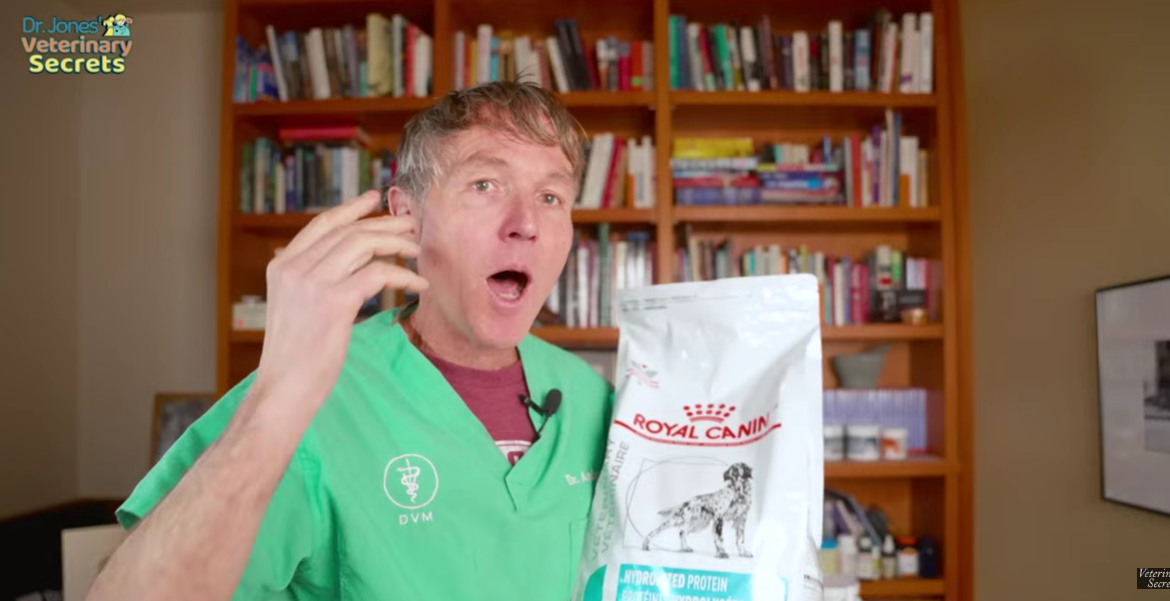
The Science of Bioavailability: Why Hydrolyzed Protein is the Gold Standard for Pet Nutrition in 2026
In my decade of experience navigating the complexities of veterinary nutrition and high-performance pet care, I have seen many dietary trends come and go. However, few innovations have fundamentally changed the lives of sensitive animals as much as hydrolyzed protein for pets. As we move through 2026, this specialized nutritional approach has shifted from a niche clinical prescription to a mainstream powerhouse for proactive health management.
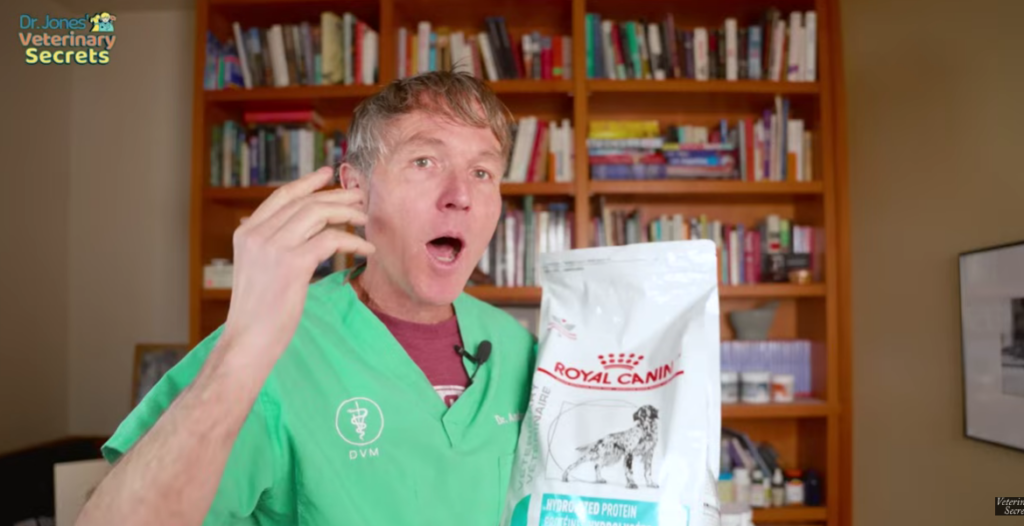
If you have ever dealt with a pet suffering from chronic “hot spots,” relentless itching, or unexplained digestive upset, you are likely dealing with the limitations of standard protein structures. Understanding the science behind hydrolyzed pet food is the first step in moving from merely feeding your pet to truly nourishing them at a cellular level.
The Biological Engine: Understanding Protein in Pet Health
To appreciate the value of hydrolysis, we must first understand the role of protein for dogs and cats. Proteins are macro-molecules composed of long chains of amino acids linked by peptide bonds. These are the literal building blocks of life—responsible for muscle repair, enzyme production, immune system strength, and the integrity of skin and coat.
In a standard diet, the immune system “scans” these large protein chains. For many pets, the immune system misidentifies these proteins (commonly chicken, beef, or dairy) as foreign invaders, triggering an inflammatory response known as a food allergy in pets. This is where traditional diets often fail the most vulnerable animals.
What is Hydrolyzed Protein? The “Stealth” Nutrient
The process of protein hydrolysis is a sophisticated method of food engineering where water is used to chemically break the peptide bonds of a protein source. This breaks down the massive protein structures into tiny, manageable fragments called peptides.
The primary goal here is twofold:
- Molecular Weight Reduction: By reducing the size of the protein, we effectively “blindfold” the pet’s immune system. The molecules become so small that the body’s IgE antibodies do not recognize them as allergens.
- Pre-Digestion: In essence, the hydrolysis process does the heavy lifting for the digestive tract. It mimics the early stages of digestion, making the nutrients immediately accessible.
[Image: Comparison diagram of a complex protein vs. hydrolyzed peptides]
Why Hydrolyzed Diets are the Optimal Solution for 2026
As an industry expert, I am frequently asked why a pet owner should opt for a hydrolyzed protein diet over a limited-ingredient or “novel” protein diet. The answer lies in clinical reliability and bioavailability.
1. Eliminating Food Sensitivities and Dermatological Issues
For pets struggling with canine atopic dermatitis or feline skin allergies, hydrolyzed food is often the only way to achieve a “clear” baseline. Because the immune system isn’t constantly in a state of high alert, the skin has a chance to heal, and the chronic cycle of itching and inflammation is broken.
2. Maximum Digestive Efficiency
Pets with Inflammatory Bowel Disease (IBD), Exocrine Pancreatic Insufficiency (EPI), or compromised liver function often struggle to break down complex nutrients. Easy-to-digest pet food made with hydrolyzed proteins ensures that the animal receives maximum caloric and nutritional value with minimal metabolic strain. This is a game-changer for senior pets or those recovering from illness.
3. Managing Chronic Health Conditions
The precision of hydrolyzed nutrition allows us to manage complex internal health issues. We are seeing incredible results in pets with hepatic encephalopathy or specific types of kidney stress, where the quality of the nitrogen source is more important than the quantity.
2026 Market Leaders: Top Recommendations
When selecting a high-performance diet, you must look for brands that combine clinical science with palatable ingredients. In the current market, several products stand out for their efficacy in weight management and joint support using advanced protein technology:
- Dr. Healmedix Weight Control Feline: This is a premier choice for cats requiring a metabolic boost. It utilizes precise protein structures to maintain lean muscle mass while the cat loses adipose tissue, a common challenge in feline obesity management.
- Doyoga Soft SuperMeal (Duck): For dogs that prefer a softer texture, this utilizes high-quality duck protein. Duck is a fantastic hypoallergenic protein alternative that provides a rich amino acid profile without the common triggers found in chicken or beef.
- Dr. Healmedix MOBILITY D/M: This is specifically engineered for aging dogs. By integrating hydrolyzed proteins with joint-supportive compounds, it reduces systemic inflammation, allowing for better mobility and a higher quality of life for senior canines.
How to Transition Your Pet to a Hydrolyzed Diet

Switching to a hydrolyzed protein formula should be done with intention. Because these diets are so refined, a sudden change can sometimes cause mild stool changes.
- The 7-Day Rule: Gradually mix the new hydrolyzed food with the old food over a week.
- Strict Adherence: If you are using this diet for an “elimination trial” to find allergies, your pet must not consume anything else—no table scraps, no flavored heartworm pills, and no standard treats. Even a tiny amount of non-hydrolyzed protein can trigger the immune response you are trying to avoid.
- Consult Your Professional: Always work with a veterinary nutritionist to ensure the specific protein-to-fat ratio is optimized for your pet’s unique metabolic rate.
Conclusion: Investing in Long-Term Vitality
Hydrolyzed protein is not just a medical fix; it is a sophisticated tool for long-term pet wellness. By removing the barriers of allergy and poor absorption, you are providing your pet with the cleanest possible fuel for their body. In my decade of practice, I have seen these diets add years of comfort and vitality to pets that were previously considered “un-fixable.”
The future of pet health is personalized, and it starts with understanding the molecular level of what goes into the bowl.

Related Posts

The Master Carpenter’s Guide to Crafting a High-Performance DIY Wooden Dog House

The Essential 2026 Guide to Dog Ownership for Beginners: Expert Insights for a Healthy, Happy Companion