The Science of Shine: An Expert’s Guide to Advanced Dog Coat Care and Skin Health
The Science of Shine: An Expert’s Guide to Advanced Dog Coat Care and Skin Health
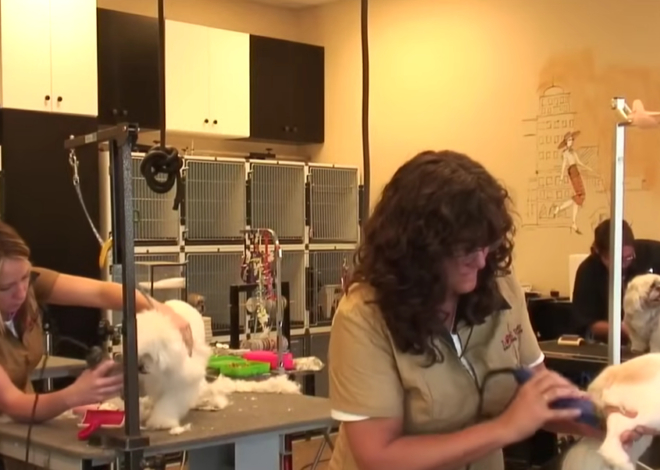
In my decade of experience as a canine health consultant and professional groomer, I have learned one universal truth: a dog’s coat is the most honest storyteller of their internal well-being. When a client brings a dog to me with a brittle, thinning, or dull coat, I don’t just see a grooming challenge; I see a biological puzzle. Whether you are raising a high-maintenance Poodle or a rugged Alaskan Malamute, mastering dog coat care is an essential skill for any dedicated pet parent.
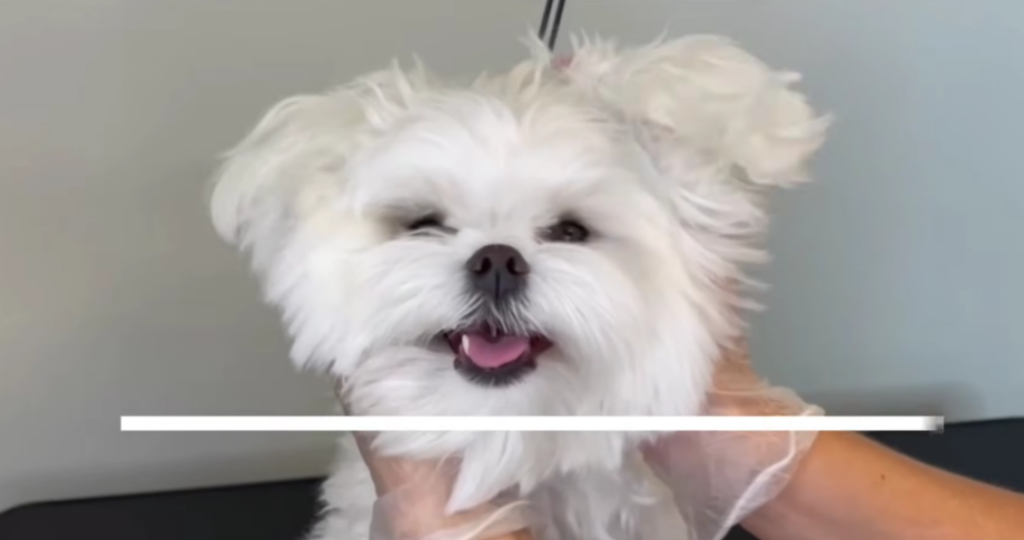
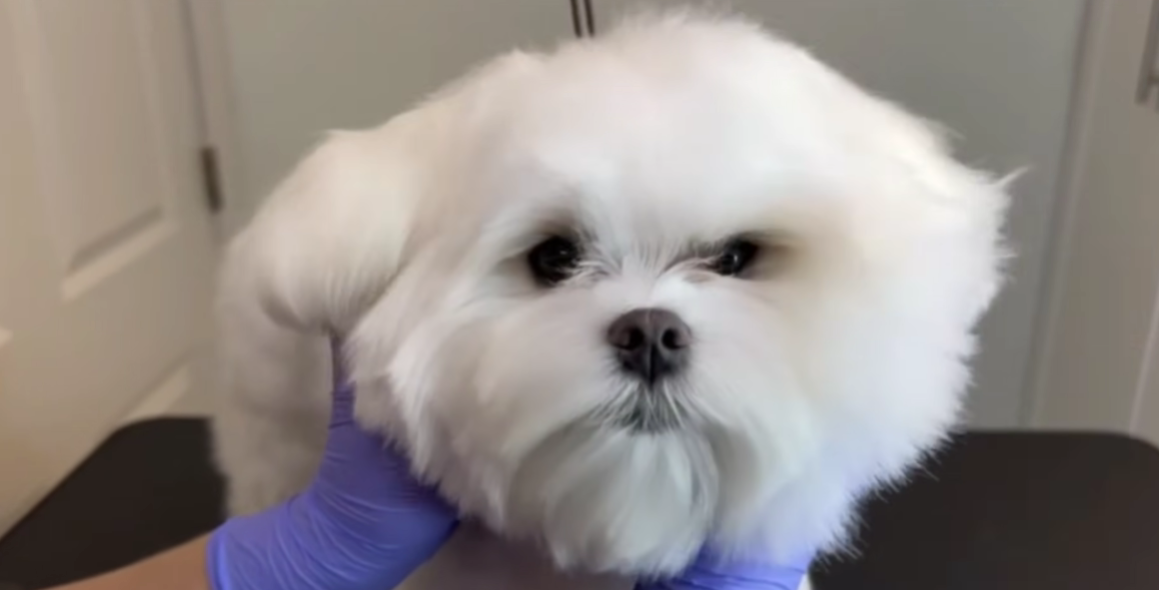
In the 2026 pet care landscape, we have moved beyond simple “wash and wear” routines. We are now in the era of “skin-first” science. Achieving a radiant, healthy shine requires a sophisticated understanding of canine dermatology, nutritional bio-availability, and environmental management. This guide will walk you through the professional secrets of maintaining a world-class coat while protecting your dog’s most vital organ—their skin.
1. Why Do Coats Lose Their Luster? Understanding the Root Causes
Before we can fix a dull coat, we must understand why it happens. In the world of veterinary dermatology, we categorize coat issues into four primary “stressors.”
Nutritional Gaps and Metabolic Deficiencies
A dog’s hair is roughly 90% protein. If their diet is subpar, the body will divert nutrients to heart and lung function first, leaving the coat starved. This is why dog coat care starts at the cellular level. Deficiencies in Vitamin A, Vitamin E, or essential minerals like Zinc often manifest as “staring” coats—hair that is dry, stands away from the body, and lacks sheen.
Climate and Environmental Impact
For those living in fluctuating climates, such as the humid coastal regions or the dry mountain states, the environment is a constant adversary. High humidity can lead to “hot spots” and fungal overgrowth, while dry indoor heating in winter strips the skin’s natural oils. If you are searching for local search intent solutions like “dog grooming in Denver” or “pet care in Florida,” you are likely dealing with these regional atmospheric pressures.
Hormonal and Genetic Factors
Conditions like Cushing’s Disease or hypothyroidism can cause symmetrical hair loss and skin thickening. Furthermore, genetics play a role. Breeds like the Pomeranian or Samoyed have unique “double coats” that require specialized management to prevent “coat funk” or alopecia X.
The Microscopic Threat: Parasites and Fungi
Fleas, ticks, and mites (mange) are obvious culprits, but fungal infections like ringworm or Malassezia yeast can wreak havoc on the skin barrier. When the skin barrier is compromised, the coat becomes the first casualty.
2. The Gourmet Coat: What to Feed for Maximum Shine
If you ask any industry veteran how to get a shiny dog coat, they will point you toward the kitchen. The most expensive shampoo in the world cannot fix a poor diet.
The Power of Bio-available Proteins
To stimulate dog hair growth, you need high-quality animal proteins. While many commercial kibbles claim high protein counts, the source matters. Look for premium organic dog food that utilizes whole meats.
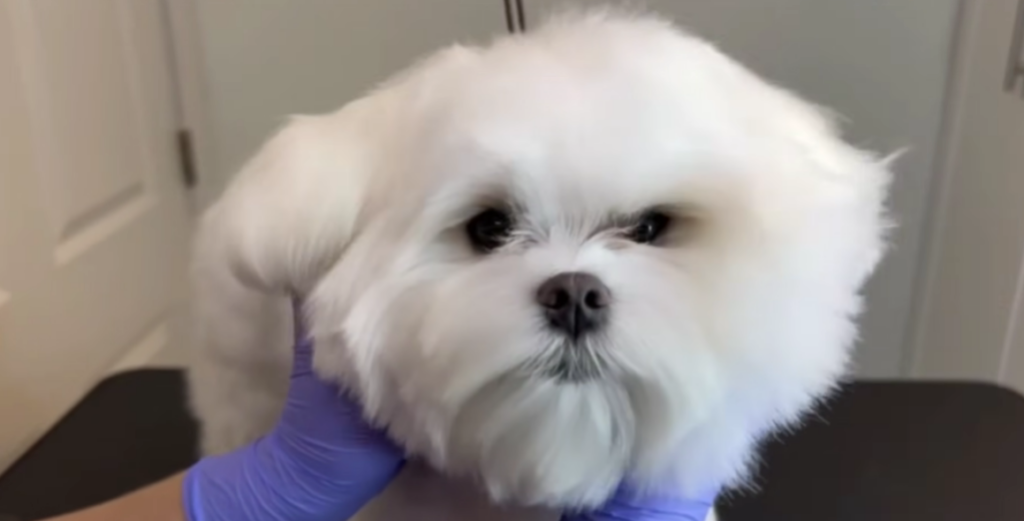
- Egg Yolks: A time-tested secret. Egg yolks are rich in biotin and lecithin. In my practice, I recommend starting with cooked eggs for puppies and moving to raw (if sourced safely) for adults to boost coat elasticity.
- Pork Skin: Cleaned pork skin (without salt or spices) is a collagen powerhouse that supports the dermis.
- Raw Beef and Buffalo: For working breeds or large dogs, fresh, lean red meats provide the iron and zinc necessary for pigment intensity.
Essential Fatty Acids: Omega-3 and Omega-6
This is the “high-CPC” secret of the industry. Omega-3 fatty acids for dogs are crucial for reducing skin inflammation.
- Salmon Oil: Perhaps the most effective supplement for an immediate “glow.”
- Omega-6 (Linoleic Acid): Found in poultry fat and certain plant oils, this helps maintain the “acid mantle” of the skin.
- The 2026 Trend: We are now seeing a shift toward algal oil as a sustainable, high-potency alternative to fish oil.
3. Specialized Care for Iconic Breeds: Poodles, Poms, and Giants
Different hair types require different dog coat care philosophies.
The Poodle and “Hair” Breeds
Poodles don’t have fur; they have hair that grows continuously. This makes them prone to mats that can actually cut off circulation to the skin. To maintain a healthy dog coat on a Poodle, you must focus on hydration. Using a leave-in conditioner is not a luxury; it’s a requirement to prevent breakage.
The Double-Coated Guardians: Alaska, Samoyed, and Pomeranian
These breeds have a soft undercoat and a harsh outer coat. The most common mistake? Shaving them. Shaving a double-coated dog destroys their natural thermoregulation and can lead to permanent coat damage. Instead, focus on “de-shedding” techniques that remove dead undercoat while leaving the protective guard hairs intact.
4. The Science of the Bath: pH Balance and Topicals
Using human shampoo on a dog is one of the fastest ways to trigger a dog skin allergy. Humans have a skin pH of about 5.5, while dogs are much more alkaline, ranging from 6.2 to 7.5. Using the wrong product strips the sebum, leading to “rebound oiliness” and a foul odor.
Selecting the Best Dog Shampoo for Allergies
When shopping for premium pet grooming supplies, look for:
- Colloidal Oatmeal: To soothe irritation.
- Chlorhexidine or Ketoconazole: If your dog suffers from recurrent fungal or bacterial infections (always consult a veterinary dermatology expert first).
- Silk Proteins: To fill in the gaps in damaged hair shafts.
The Grooming Ritual
- Preparation: Always brush before the bath. Adding water to a mat is like adding glue—it makes it nearly impossible to remove.
- Water Temperature: Use lukewarm water. Hot water dries out the skin and can cause “scald” irritations.
- The Double Wash: The first wash removes dirt; the second wash treats the skin.
- The Dry: Never leave a dog “damp.” In thick-coated breeds, moisture trapped against the skin is the primary cause of “doggy smell” and yeast infections. Use a high-velocity dryer on a cool setting.
5. Advanced Supplementation and “Beauty Pills”
In the last decade, we’ve seen a surge in pet supplements designed specifically for aesthetics. Here are the ingredients that actually work:
- Lecithin: This phospholipid is a game-changer for Poodles and other curly-haired breeds. It repairs cell membranes and gives the coat a “silky” rather than “greasy” feel.
- Astaxanthin: A powerful antioxidant that protects skin cells from UV damage and enhances the natural red and gold pigments in a dog’s coat.
- Bee Slurry (Royal Jelly): Though rare, this is a potent tonic for dogs recovering from illness or “blowing” their coat after pregnancy.
- Biotin: The “B7” vitamin is essential for nail health and hair strength.
6. The Tool Kit: Mastering the Brush
Brushing is the most underrated aspect of dog coat care. It is a mechanical exfoliation for the skin and a circulatory stimulant for the follicles.
Choosing Your Weapon
- Slicker Brushes: Best for removing mats and debris from medium to long hair.
- Undercoat Rakes: Essential for breeds like the Siberian Husky or German Shepherd.
- Bristle Brushes: Best for short-haired breeds (like Pugs or Labs) to distribute oils and create a high-gloss finish.
Professional Technique
Never brush “dry” hair. Use a light mist of water or a grooming spray to prevent static and hair breakage. Always brush in the direction of hair growth. If you encounter a knot, hold the hair at the base (near the skin) so you aren’t pulling on the dog’s sensitive dermis.
7. When to Seek Professional Veterinary Intervention
Sometimes, the state of the coat is a “red flag” for something deeper. If your dog coat care routine is perfect but you still see the following, it’s time to seek professional pet care services:
- Foul, “Yeasty” Odor: Often indicates a deep-seated infection.
- Symmetrical Balding: Usually points to an endocrine/hormonal issue.
- Obsessive Licking or Chewing: This is a sign of pain or severe allergies.
Investing in pet health insurance early can be a lifesaver here, as dermatological testing (like skin scrapings and allergy panels) can be an expensive but necessary part of canine dermatology.
The Path to a Show-Stopping Coat
A beautiful coat is not an accident; it is the result of a disciplined, science-based approach to dog coat care. By combining high-protein nutrition, targeted Omega supplementation, and pH-balanced grooming, you aren’t just making your dog look better—bouts of itching, scratching, and discomfort will become a thing of the past.
In my ten years of observing the bond between humans and dogs, I’ve noticed that the time spent grooming is also the time spent bonding. It’s an opportunity to check for lumps, bumps, or parasites, ensuring your companion stays healthy for years to come.
Your dog’s coat is their suit of armor. Make sure it’s as strong and brilliant as their spirit.

Related Posts
The Master Carpenter’s Guide to Crafting a High-Performance DIY Wooden Dog House
The Essential 2026 Guide to Dog Ownership for Beginners: Expert Insights for a Healthy, Happy Companion