The Essential 2026 Guide to Dog Ownership for Beginners: Expert Insights for a Healthy, Happy Companion
In my decade of experience as a professional pet consultant and canine behaviorist, I have witnessed the landscape of pet parenting shift dramatically. In 2026, we are no longer just “owning” a pet; we are integrating a sentient, complex family member into a high-tech, fast-paced world. While many prospective owners are drawn to the aesthetic of a specific breed or a viral video of a puppy, the reality of dog ownership for beginners requires a strategic, informed approach that goes far beyond simple feedings and occasional walks.

The following blueprint is designed to navigate you through the first critical year of your dog’s life, ensuring that your investment in their health pays dividends in companionship for years to come.
1. The Acquisition Phase: Selecting Your Companion Wisely
The foundation of successful dog ownership for beginners starts before the dog even enters your home. The market in 2026 is flooded with options, but not all sources are ethical or healthy.
Sourcing Your Puppy
I always recommend sourcing your dog from a reputable breeder where you can meet the mother. Seeing the “home environment” is non-negotiable. Ethical breeders provide a “health passport” containing verified records of vaccinations and scheduled deworming. If you are looking for premium puppy breeds like French Bulldogs, Poodles, or Golden Retrievers, ensure the breeder has conducted genetic screening to avoid long-term emergency vet clinic visits.
The Age Factor: Why 2 Months is the Golden Rule
In my ten years of practice, I’ve seen the most behavioral issues arise from puppies separated from their litters too early. A puppy should be at least 2 months (8 weeks) old before moving to a new home. At this stage:
- They have been naturally weaned from their mother’s milk.
- They have begun social learning from their siblings.
- Their digestive systems have stabilized for premium puppy food.
2. The First 48 Hours: Health and Integration
The transition to a new home is the most stressful event in a young dog’s life. How you handle these first 48 hours sets the tone for your entire relationship.
Initial Veterinary Consultation

Regardless of what the breeder tells you, schedule a visit with a licensed veterinary services provider within the first 24 hours. A professional health audit ensures there are no underlying parasites or congenital issues. This is also the ideal time to discuss best pet insurance plans 2026 to protect yourself from unforeseen financial burdens.
Designing the Ideal Living Space
Your dog’s environment should be a sanctuary, not a cage.
- Temperature Control: Avoid placing beds directly under air conditioning vents or in front of high-powered fans. Puppies are prone to respiratory infections and “chilling.”
- Safety First: In the era of smart homes, ensure all charging cables and IoT devices are out of reach. A puppy’s curiosity can lead to lethal electrical shocks.
- The “No-Bath” Rule: One of the biggest mistakes in dog ownership for beginners is bathing a new puppy immediately. The stress of a bath, combined with a new environment, can suppress their immune system, leading to pneumonia. Use a dry shampoo or a damp cloth for the first week.
3. Advanced Canine Nutrition: Beyond the Bowl
In 2026, canine nutrition has evolved into a precise science. The days of “scraps from the table” are over if you want a dog that lives into its late teens.
Balanced Macros for Growth
Your puppy requires a specific ratio of proteins, fats, and minerals. I strongly advocate for high-quality organic puppy food that avoids fillers like corn or soy.
| Nutrient Group | Purpose | Recommended Source |
| Proteins | Muscle & Tissue Repair | Deboned Chicken, Salmon, Lamb |
| Healthy Fats | Brain Development & Coat Health | Omega-3 (Fish Oil), Flaxseed |
| Complex Carbs | Sustained Energy | Sweet Potato, Brown Rice |
| Probiotics | Gut Health & Immunity | Specially formulated canine supplements |
The “Toxic List” Every Owner Must Know
In my experience, many emergency vet clinic visits are caused by household foods. Never feed your dog:
- Chocolate and Caffeine: Can lead to cardiac arrest.
- Xylitol (Artificial Sweetener): Found in many “sugar-free” snacks; it causes rapid liver failure.
- Cooked Bones: Specifically bird bones (chicken/duck). These splinter and can perforate the intestinal wall.
- Grapes/Raisins: Can cause acute kidney failure.
4. Establishing a Preventive Health Routine
Proactive care is the only way to minimize the cost of dog ownership for beginners. Waiting for symptoms to appear is a recipe for high medical bills.
The 2026 Vaccination Protocol
Modern veterinary medicine has refined vaccine schedules. Ensure your dog is immunized against:
- Core Vaccines: Parvovirus, Distemper, Adenovirus, and Rabies.
- Lifestyle Vaccines: Leptospirosis and Bordetella (especially if you plan on using dog boarding services).
Parasite Management
Deworming is not a one-time event. For puppies under 6 months, monthly deworming is standard. For adults, a quarterly schedule is recommended. With the rise of climate-variable pests, year-round flea and tick prevention is now a baseline requirement for healthy dog ownership for beginners.
5. Behavioral Mastery and Hygiene
A clean dog is a healthy dog, but hygiene extends beyond just a shiny coat.
Grooming Essentials
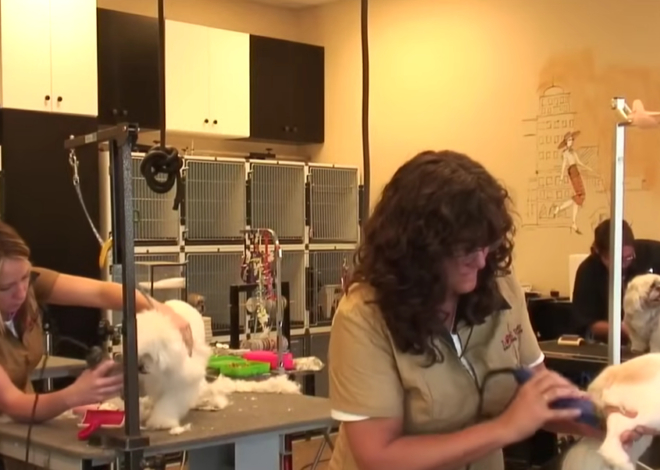
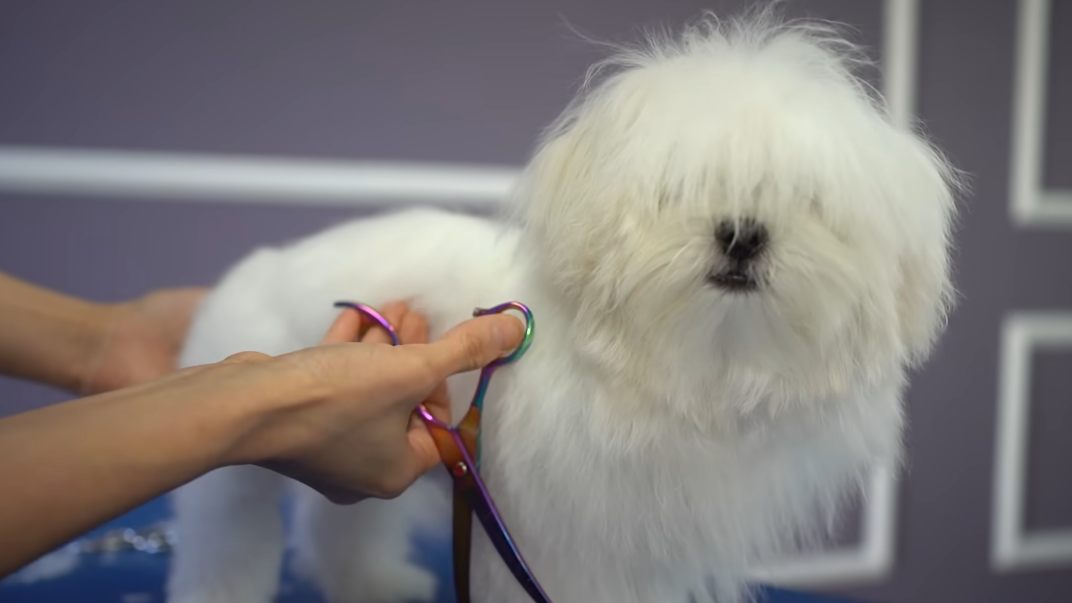
Invest in professional-grade tools. A dual-sided brush (coarse and fine) is essential for breeds with undercoats like Alaskas or Huskies.
Expert Tip: Start handling your puppy’s paws and ears early. Using a professional dog grooming kit or a silent nail grinder at home helps desensitize them to touch, making future vet visits much easier.
Dental Care: The Overlooked Pillar
Periodontal disease can lead to heart and kidney issues. Using canine-specific toothpaste and a soft-bristled brush daily can add up to two years to your dog’s life. If you find manual brushing difficult, look for high-quality dental chews for dogs that are VOHC (Veterinary Oral Health Council) approved.
6. Training and Mental Enrichment
In 2026, we understand that a bored dog is a destructive dog. Dog ownership for beginners involves as much mental stimulation as physical exercise.
Potty Training Success
Consistency is your best friend. Take your puppy out:
- Immediately after they wake up.
- 15 minutes after every meal.
- After vigorous play sessions.Use a dedicated “potty spot” and reward them with healthy dog treats the moment they finish.
Socialization and Exercise
Physical activity is the best cure for anxiety. However, “exercise” doesn’t just mean a walk. Incorporate training sessions (sit, stay, come) into your walks. This engages their brain and strengthens the bond. If you have a high-energy breed, consider professional dog training or agility classes to channel that energy productively.
7. The Economics of Pet Parenting: Saving Without Sacrificing Quality
One of the most frequent questions I get regarding dog ownership for beginners is how to manage costs. It is possible to provide elite care on a budget.
Strategic Spending
- Pet Insurance: This is the single most important financial tool in 2026. A monthly premium is far more manageable than a $5,000 surgery after an accident.
- Spaying and Neutering: Beyond preventing unwanted litters, sterilization reduces the risk of certain cancers and behavioral aggression, saving you money on future medical and training costs.
- Preventive Home Care: Keeping your dog at a healthy weight prevents diabetes and joint issues. Buying bulk dog supplies from reputable online retailers can save you 15-20% annually compared to boutique pet stores.
Safe Containment
For those with yards, best wireless dog fences have become incredibly reliable in 2026. They provide safety without the $10,000 price tag of a physical wooden fence, ensuring your pet stays within boundaries while enjoying their freedom.
8. Building a Sustainable Lifestyle
As you settle into the rhythm of dog ownership for beginners, remember that your dog is a mirror of your own energy. If you are stressed and sedentary, your dog likely will be too.
Make it a habit to explore new environments together. Use high-quality dog travel crates or breathable backpacks for smaller breeds to involve them in your weekend adventures. The more experiences they have, the more “bulletproof” their temperament becomes.
The Expert Checklist for New Owners:
- [ ] Register your dog’s microchip immediately.
- [ ] Purchase a sturdy harness and lead (avoid retractable leashes).
- [ ] Set up a recurring delivery for high-protein dog food.
- [ ] Identify the nearest 24-hour emergency vet.
- [ ] Create a “Pet Savings” fund for non-insured incidents.
Final Thoughts from a Decade in the Field
The journey of dog ownership for beginners is filled with challenges, from chewed-up shoes to sleepless nights during potty training. However, the return on investment—unconditional loyalty and a constant companion—is unmatched by any other experience in life.
The key to success in 2026 is education. By staying informed on the latest in canine wellness, nutrition, and behavioral science, you are providing your dog with the best possible life. You don’t need to be perfect; you just need to be prepared.