The Ultimate Guide to Dog Coat Care: Science-Backed Secrets for a Radiant, Healthy Shine
The Ultimate Guide to Dog Coat Care: Science-Backed Secrets for a Radiant, Healthy Shine
As a specialist with over a decade of experience in canine wellness and aesthetic health, I have seen thousands of dogs whose external appearance served as a direct window into their internal physiology. When a client walks into my office with a dog whose coat is dull, brittle, or thinning, we aren’t just looking at a cosmetic issue—we are looking at a metabolic narrative.
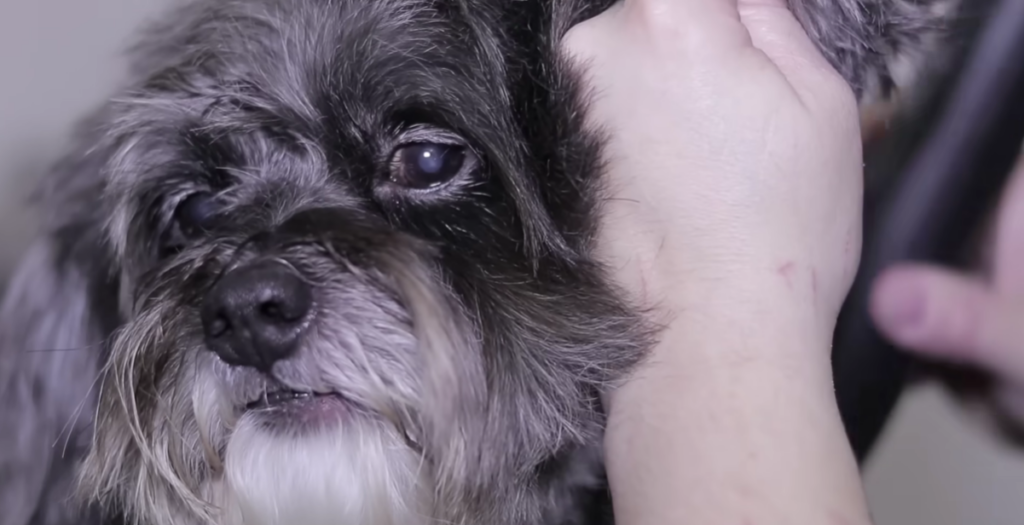
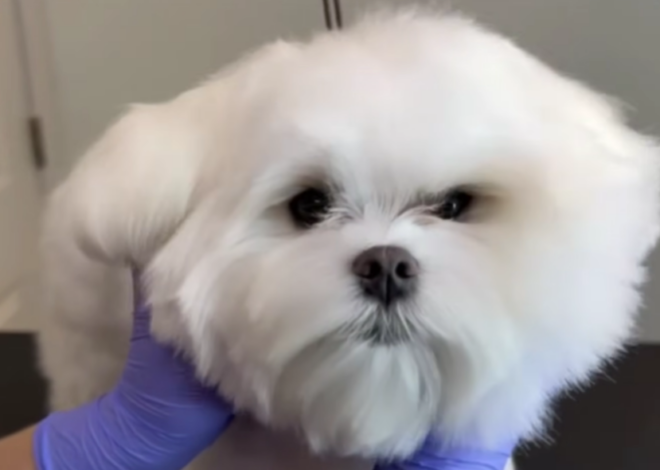
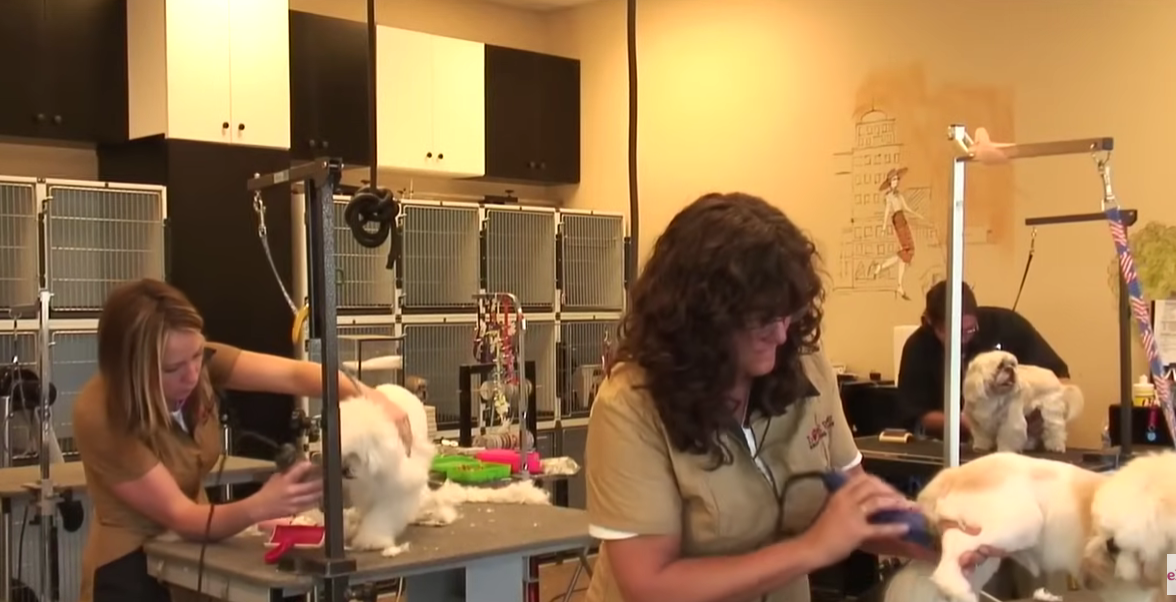
In the high-stakes world of professional dog grooming and veterinary dermatology, achieving a “show-quality” shine isn’t about magic sprays or temporary glitter. It is about a 360-degree approach to dog coat care that integrates cutting-edge nutrition, environmental management, and precision grooming rituals. As we navigate the trends of 2026, the shift has moved toward “bio-available” ingredients and holistic skin barrier protection. If you want your companion to not only look spectacular but feel vibrant from the inside out, this is the blueprint for success.
The Biological Foundation: Why a Shiny Coat Matters
A dog’s skin and coat comprise their largest organ system, accounting for nearly 10% to 15% of their total body weight. This system serves as the first line of defense against pathogens, regulates temperature, and protects against oxidative stress. When we discuss dog coat care, we are essentially discussing the health of the integumentary system.
A dull coat is often the first clinical sign of nutritional deficiencies or underlying systemic stress. In my years of consulting, I’ve found that owners who prioritize a healthy dog coat often see lower long-term costs in veterinary services because they are catching internal imbalances early. The “shine” we admire is actually the result of smooth, flat cuticle scales on the hair shaft that reflect light perfectly, a state achieved only when the hair is saturated with natural sebum and structural proteins.
Nutritional Excellence: Building the Hair Shaft from Within
If you are looking for the secret to how to get a shiny dog coat, you must look at the food bowl first. Hair is primarily composed of a tough protein called keratin. Without the correct building blocks, the body prioritizes internal organs, leaving the coat as an afterthought.
The Role of High-Quality Proteins
To facilitate rapid and healthy hair growth, your dog requires a diet rich in essential amino acids. In 2026, the trend has moved toward premium organic pet food and human-grade proteins. I always recommend sourcing foods where the first three ingredients are identifiable meats like wild-caught salmon, grass-fed beef, or free-range chicken. These provide the cysteine and methionine necessary for keratin synthesis.
The Science of Essential Fatty Acids (Omega-3 and Omega-6)
When people ask me “what should I feed my dog for a shiny coat?”, the conversation invariably leads to lipids. Omega-3 fatty acids for dogs are non-negotiable.
- EPA and DHA: Found primarily in salmon oil for dogs or krill oil, these reduce systemic inflammation that can lead to “hot spots” and dander.
- Omega-6 (Linoleic Acid): This is the primary fatty acid responsible for the “glow.” It maintains the water permeability barrier of the skin.
However, balance is key. An overabundance of Omega-6 without enough Omega-3 can actually promote inflammation. A ratio of roughly 5:1 to 10:1 is often cited as the gold standard in canine nutrition.
Advanced Supplementation: The 2026 “Bio-Hacking” Approach
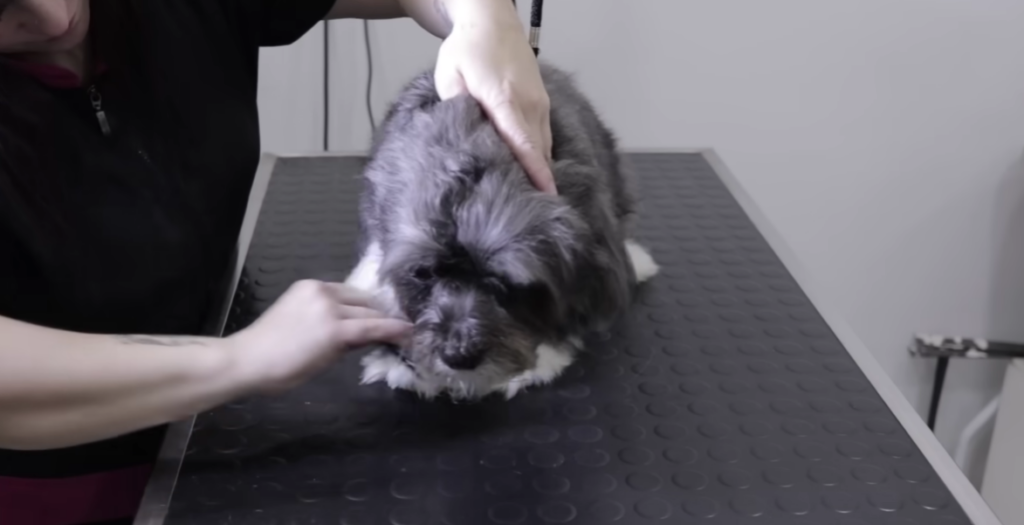
Sometimes, even the best dog food for allergies or health isn’t enough to counteract genetic predispositions or environmental stressors. This is where targeted supplementation comes into play.
- Salmon and Pollock Oils: These are the “liquid gold” of dog coat care. They provide instant bioavailability, meaning the body can use the fats immediately rather than converting them from plant-based sources like flaxseed.
- Biotin and Zinc: Often overlooked, these micronutrients are catalysts for cell division in the hair follicle. I’ve seen remarkable transformations in Poodles and Golden Retrievers simply by correcting a sub-clinical zinc deficiency.
- Probiotics: It may sound strange, but a healthy gut equals healthy skin. High-quality pet supplements now include specific strains like Lactobacillus that improve nutrient absorption, ensuring that the expensive protein you buy actually reaches the hair follicles.
Hydration: The Often Forgotten Variable
In my decade of experience, hydration is the most frequently ignored aspect of dog coat care. Dehydration leads to inelastic skin and “staring” coats (hair that stands up and looks dry). Water is the transport medium for every nutrient mentioned above.
Ensure your dog has access to filtered water at all times. If you live in an area with hard water, consider a fountain with a carbon filter. Hard minerals can build up in a dog’s system and, ironically, affect the texture of the fur from the inside out. For active breeds, I often recommend adding a splash of low-sodium bone broth to their water to encourage higher intake, especially during the summer months in regions with local search intent for high-heat pet safety.
Precision Grooming: More Than Just a Bath
While nutrition builds the coat, grooming maintains it. However, “over-grooming” is a common pitfall. Many owners believe that bathing their dog every week is helpful, but in reality, this can strip the skin of essential oils, leading to compensatory overproduction of grease or, more commonly, dry, itchy skin.
The Art of Brushing
Brushing is the mechanical equivalent of a spa massage. It stimulates the capillaries at the base of the hair follicle, bringing oxygenated blood to the growth site.
- For Long-Haired Breeds: Use a high-quality slicker brush and follow up with a metal comb to ensure you are reaching the undercoat.
- For Short-Haired Breeds: A rubber curry brush is excellent for removing dead skin cells and distributing natural oils across the surface.
- 2026 Innovation: Ultrasonic grooming tools are now becoming available for home use, helping to loosen dander without the abrasive “pull” of traditional brushes.
Choosing the Right Topicals
Stop using human shampoo. A dog’s skin pH is significantly more alkaline (around 6.2 to 7.5) compared to human skin (around 5.5). Using human products disrupts the “acid mantle,” leaving the dog vulnerable to bacteria and yeast.
When searching for hypoallergenic dog shampoo or premium pet grooming supplies, look for ingredients like colloidal oatmeal, silk proteins, and aloe vera. Avoid sulfates and parabens, which are common irritants. In the world of professional dog grooming, we often use a “two-step” process: a clarifying wash to remove debris, followed by a deep-conditioning mask to seal the cuticle.
Environmental Management and Stress Reduction
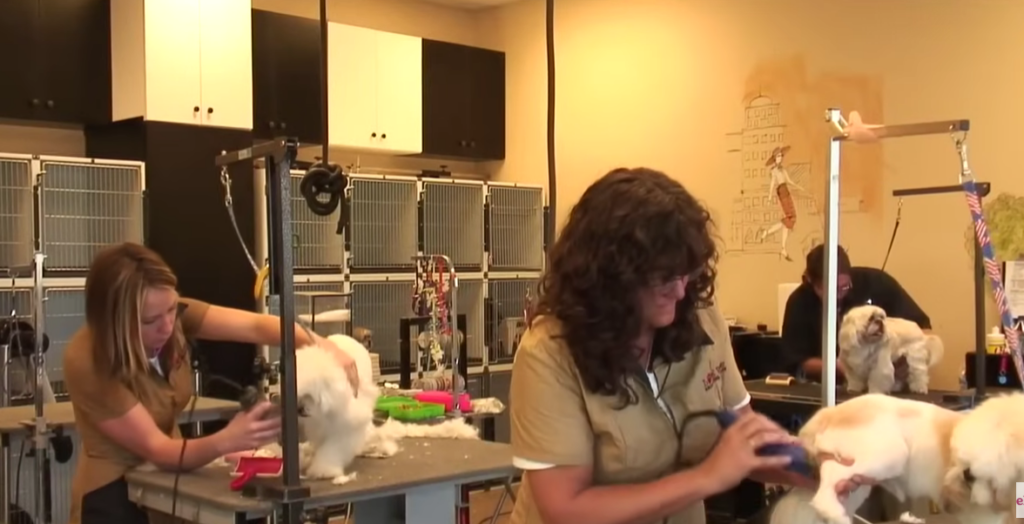
We must acknowledge that our pets live in a world full of pollutants and allergens. A dog living in a high-traffic urban environment like New York City or Los Angeles will face different coat challenges than a dog in a rural setting.
- UV Protection: Yes, dogs can get sun-damaged hair. If you have a light-colored or thin-coated breed, UV exposure can make the hair brittle. There are now dog-safe sunscreens and leave-in conditioners with UV filters.
- Seasonal Shedding: Invest in a high-quality “de-shedding” tool during the spring and fall. Managing the shed isn’t just about your carpet; it’s about allowing the skin to “breathe” by removing the insulating dead undercoat.
- Stress and Cortisol: Chronic stress triggers cortisol release, which can shut down non-essential functions like hair growth. If your dog is anxious, their coat will show it. Integrating calming pet treats or pheromone diffusers can indirectly lead to a shinier coat by lowering systemic stress.
When to Consult a Professional
As an industry expert, I must emphasize that if you notice sudden patches of hair loss (alopecia), intense redness, or a foul odor, you should skip the grooming salon and head straight to a provider of veterinary dermatology. These can be signs of thyroid issues, Cushing’s disease, or severe fungal infections.
Furthermore, investing in pet health insurance is a wise move for any owner. Modern policies often cover dermatological testing and specialized prescription dog food, ensuring that if your dog does have a complex skin condition, you aren’t limited by the cost of care.
The 2026 Outlook: Personalized Canine Wellness
The future of dog coat care is personalization. We are moving away from “one size fits all” and toward DNA-based nutritional plans. By understanding your dog’s specific genetic makeup, you can tailor their intake of fatty acids and minerals to their exact needs.
Whether you are preparing for a dog show or simply want your best friend to look their best during your daily walk, remember that the coat is a reflection of your commitment to their health. It is a long-term investment in their comfort and happiness.
A radiant coat is the hallmark of a well-cared-for dog. It tells the world that your pet is nourished, loved, and thriving. By following this expert-led framework—prioritizing protein, balancing omegas, and utilizing the right tools—you aren’t just improving their looks; you are enhancing their quality of life.

Related Posts

The Master Carpenter’s Guide to Crafting a High-Performance DIY Wooden Dog House
The Essential 2026 Guide to Dog Ownership for Beginners: Expert Insights for a Healthy, Happy Companion