The Ultimate Guide to Canine Wellness: 10 Expert Strategies for a Healthy, Happy Dog in 2026
Bringing a dog into your home is more than just a lifestyle change; it is a long-term commitment to a living, breathing family member. In my ten years as a professional in the pet industry, I’ve seen firsthand how the bond between humans and canines can transform lives. However, that bond is built on a foundation of proactive care, specialized knowledge, and consistent effort.

In 2026, pet wellness has evolved beyond simple feeding and walking. It is now a comprehensive approach involving advanced nutrition, preventative medicine, and behavioral science. If you want to ensure your four-legged companion thrives for years to come, you need a strategy that covers every facet of their well-being.
Here are the top 10 professional strategies for modern dog care and responsible ownership.
1. Prioritize Modern Identification and Microchipping
While a traditional collar and ID tag are the first line of defense, they are no longer the only standard. A high-quality dog identification tag should include your current phone number and a secondary contact. However, for maximum security, ensure your dog is microchipped.
In the event that a collar breaks or is lost, a microchip provides a permanent ID that any shelter or veterinary clinic can scan. In 2026, we also see an increase in GPS-enabled smart collars that allow you to track your dog’s location in real-time—a worthy investment for peace of mind.
2. Navigate Local Pet Licensing and Legal Compliance

Every municipality has specific pet ownership laws that cover everything from mandatory rabies vaccinations to leash laws. Staying compliant isn’t just about avoiding fines; it’s about public health and safety.
Check with your local animal control or city clerk to ensure your dog license is up to date. These fees often go directly toward funding local shelters and rescue operations, making you a vital part of your local animal welfare community.
3. The Essential Role of Leash Safety
No matter how impeccable your dog’s “recall” or off-leash training is, the unpredictable nature of the outdoors—ranging from traffic to aggressive wildlife—demands the use of a leash. High-traffic urban environments and suburban neighborhoods pose various risks.
Using a sturdy, non-retractable leash ensures you have physical control in high-stress situations. For certain high-energy breeds known for their “prey drive,” a secure harness and leash are non-negotiable for their own protection.
4. Foster Indoor Integration and Social Bonding
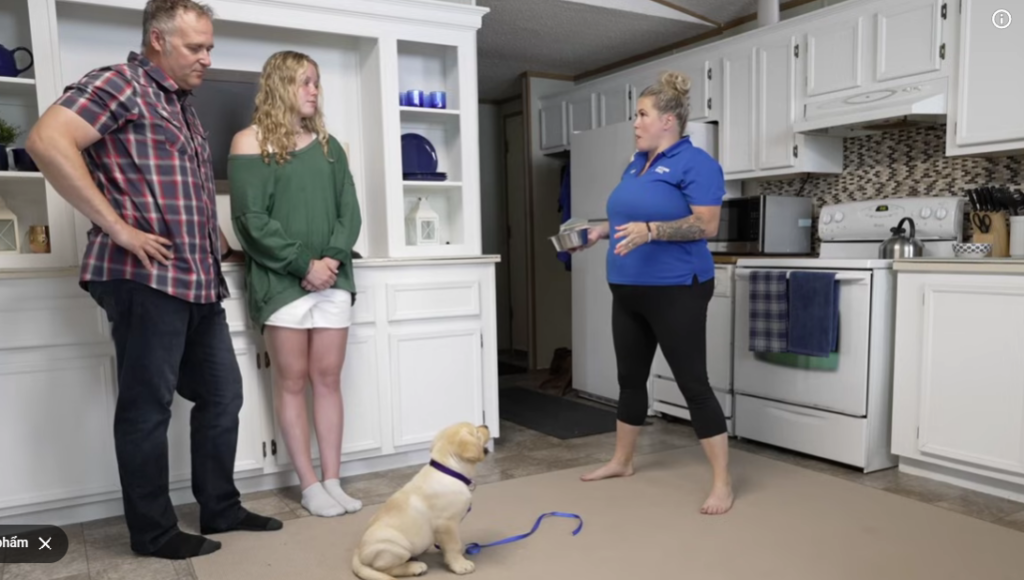
Dogs are pack animals by nature; they thrive on social interaction and “quality time” with their human counterparts. While having a large backyard is a fantastic perk, it should never be a substitute for indoor living.
Dogs left exclusively outdoors are prone to anxiety, excessive barking, and behavioral deterioration. To truly optimize canine mental health, your dog needs to live inside the home where they can participate in the daily rhythm of family life. This integration strengthens the pack bond and reduces destructive behaviors born from boredom or isolation.
5. Invest in Comprehensive Preventative Veterinary Care
The most expensive way to handle dog health is to wait until your pet is sick. Proactive preventative vet care is the key to longevity. A yearly wellness exam—or bi-annual for senior dogs—allows your vet to catch underlying issues like heart disease, kidney dysfunction, or dental decay before they become critical.
Current 2026 trends emphasize “Fear Free” veterinary visits and personalized vaccination schedules tailored to your dog’s specific lifestyle and geographic risks. Establishing a relationship with a trusted vet is the best financial and emotional investment you can make.
6. The Long-Term Benefits of Spaying and Neutering
Beyond the obvious goal of reducing the homeless pet population, spaying and neutering offers significant medical advantages. Data consistently shows that “fixed” dogs have a lower risk of certain cancers, such as mammary tumors and testicular cancer.
Furthermore, these procedures can mitigate hormonally driven behaviors, such as roaming, marking, and inter-dog aggression. It is a foundational step in responsible pet ownership that pays dividends in both health and temperament.
7. Precision Nutrition and Hydration Management
In 2026, we have moved away from “one size fits all” kibble. Premium dog food should be selected based on your dog’s age, breed size, and activity level. Look for formulas rich in Omega-3 fatty acids for coat health and glucosamine for joint support.
Equally important is hydration. Your dog should have access to clean, filtered water at all times. For those using automated pet feeders, ensure they are cleaned regularly to prevent bacterial growth. If you are unsure about caloric intake, consult your vet to avoid the rising epidemic of pet obesity, which significantly shortens lifespans.
8. Commit to Positive Reinforcement Training
Training is not just about “obedience”; it is about communication. Utilizing positive reinforcement dog training creates a language of trust between you and your pet. Enrolling in a professional class or hiring a certified trainer provides more than just “sit” and “stay” commands—it provides vital socialization.
Exposing your dog to different environments, sounds, and other dogs in a controlled setting is crucial for developing a well-adjusted adult dog. A well-trained dog is a confident dog, and a confident dog is a joy to live with.
9. Maintain a Rigorous Physical Exercise Routine
Physical stasis is the enemy of a healthy dog. Every dog, regardless of size, requires daily canine exercise. This can range from a brisk morning walk to high-intensity games of fetch or agility training.
Exercise doesn’t just keep the muscles strong and the heart healthy; it is the primary way dogs release pent-up energy that would otherwise manifest as destructive chewing or digging. Tailor the intensity to your dog’s specific needs—a Greyhound needs a different workout than a Bulldog.
10. Cultivate Patience and Emotional Connection
Perhaps the most critical “expert” tip is to understand that your dog’s behavior is usually a reflection of their environment and your leadership. Dogs communicate through body language; learning to read their cues will help you identify when they are stressed, tired, or in pain.
If you encounter behavioral hurdles, approach them with patience rather than punishment. Seek out professional dog behaviorist advice if you hit a wall. Remember, your dog is the only creature on earth that loves you more than he loves himself—it’s our job to be worthy of that devotion.
Transform Your Dog’s Life Today
Providing elite care for your dog doesn’t have to be overwhelming, but it does require the right resources and a proactive mindset. By focusing on these ten pillars, you are setting the stage for a decade or more of companionship, health, and happiness.
Are you looking to upgrade your dog’s wellness plan? Contact us today to schedule a comprehensive nutrition and behavior consultation to get your pup on the right track

Related Posts

The Master Carpenter’s Guide to Crafting a High-Performance DIY Wooden Dog House

The Essential 2026 Guide to Dog Ownership for Beginners: Expert Insights for a Healthy, Happy Companion