The First-Time Owner’s Blueprint: 10 Essential Tools for New Canine Parents in 2026
Welcoming a dog into your home is an emotional milestone, but as an industry expert with a decade of experience, I must offer a reality check: raising a dog is not simple. In fact, caring for a new puppy in 2026 is remarkably similar to caring for a human infant. It requires a sophisticated blend of patience, behavioral science, and the right technical toolkit.
To ensure your transition into “pawrenting” is seamless and professional, you must look beyond the basics. Here are the top 10 essential tools every first-time dog owner needs to manage health, hygiene, and training effectively.
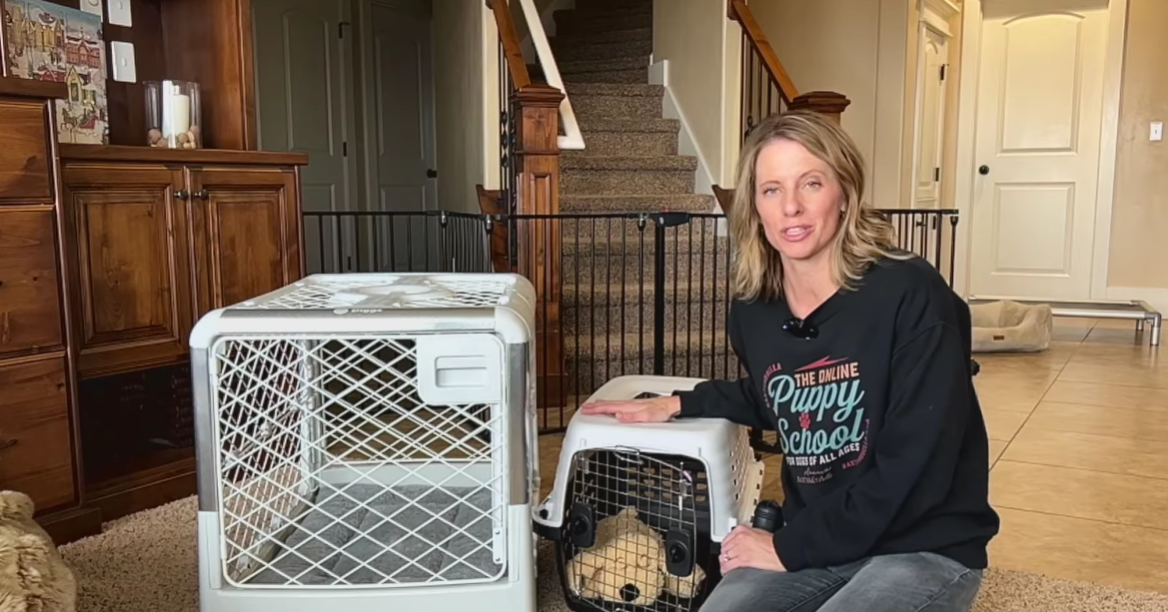
1. Spatial Management: Crates and Smart Playpens
A dog’s natural instinct is to mark their territory, but they rarely soil where they sleep. To master potty training for puppies, you must first limit their “operating range.”
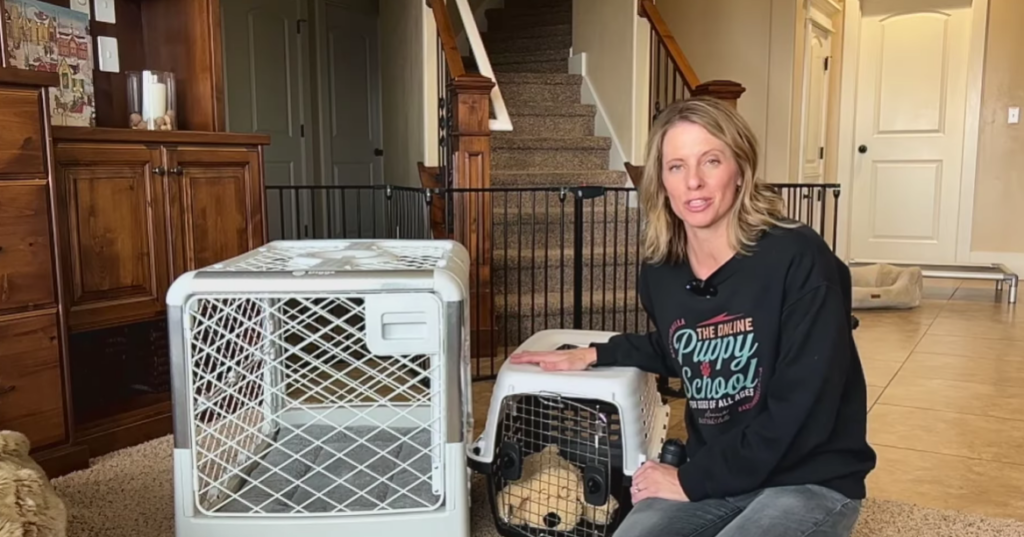
- Heavy-Duty Crates: Ideal for smaller homes or high-energy breeds, stainless steel or powder-coated crates provide a secure “den” for sleep and transport.
- Modular Playpens: For those with more space, a smart playpen allows you to create a dedicated zone containing their bed, water, and toilet. This spatial boundary is the foundation of housebreaking.
2. The Hygiene Trifecta: Trays, Pads, and Attractants
If you want to avoid a house that smells like a kennel, you need a system, not just a product.
- Toilet Trays: Use a dedicated tray to keep waste contained.
- Absorbent Training Pads: Lining the tray with high-quality dog pee pads saves hours of cleanup. In 2026, we recommend charcoal-infused pads for maximum odor neutralization.
- Potty Training Sprays: These pheromone-based attractants “mimic” the scent of a designated bathroom area, guiding your dog to the tray within 10 minutes of eating.
3. Orthopedic Bedding for Joint Health
A dog’s bed is their sanctuary. When choosing pet bedding, don’t just look for “cute”—look for support. High-density memory foam beds help prevent joint issues later in life. Ensure the bed fits their current size while allowing room for growth to support healthy spinal alignment.
4. Ergonomic Feeding Stations
Whether you choose floor-mounted bowls or elevated stations, the material matters. Stainless steel or ceramic dog food bowls are non-porous and prevent the buildup of “puppy acne” (bacterial infections on the chin) often caused by cheap plastic alternatives.
5. Enrichment and Dental Toys
Boredom is the primary cause of destructive behavior. When you limit a dog’s range during training, you must provide interactive dog toys.
- Chew Toys: Essential for teething puppies to prevent them from destroying furniture.
- Puzzle Toys: These provide mental stimulation, reducing barking and separation anxiety.
6. Preventative Parasite Control
In humid climates or during the transition of seasons, pests like ticks and fleas thrive. Topical flea and tick treatments (spot-on drops) are the industry standard. Regularly check your dog’s neck and back; if you find a parasite, apply a professional-grade treatment immediately to prevent an infestation in your home bedding.
7. Professional Grooming Tech: Shampoos and High-Velocity Dryers
Many new owners ask: “Can I use a human hairdryer on my dog?” The answer is a resounding no.
- The Issue: Human dryers are high-heat but low-airflow, which can burn a dog’s sensitive skin or leave the undercoat damp, leading to fungal infections and “hot spots.”
- The Solution: Invest in a professional pet dryer (2500W+). These use high-velocity cool or warm air to “blast” water out of the coat in 10 minutes rather than an hour, ensuring skin health and a salon-quality finish.
8. The Balanced Nutritional Suite
Modern canine nutrition in 2026 focuses on diversity. A professional regimen often includes:
- High-Quality Kibble: For morning meals to support dental health.
- Premium Wet Food (Pate): For evening meals to ensure hydration and high protein intake.
- Training Treats: High-value snacks used exclusively for rewarding positive behavior.
9. Safety Accessories: Gear and Identification
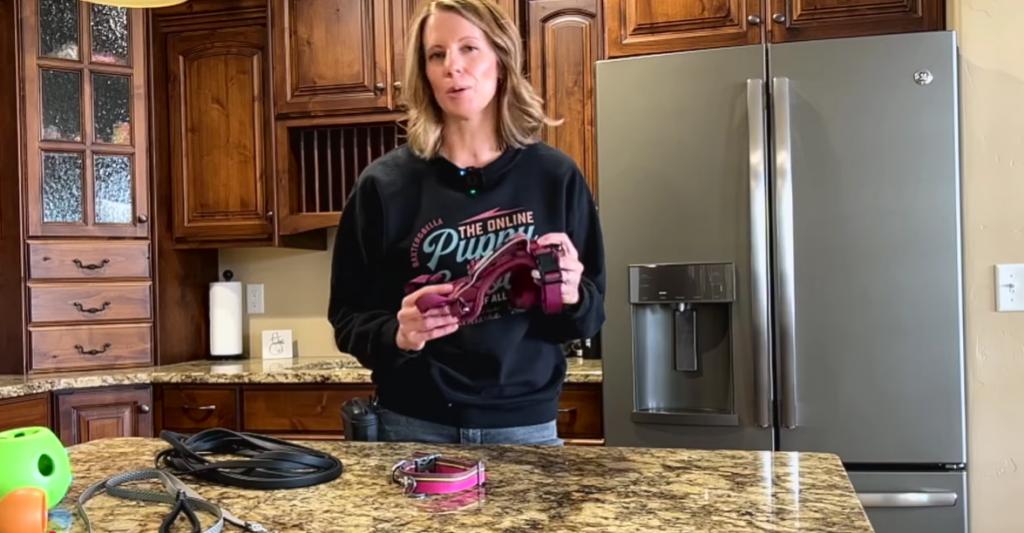
State regulations and basic safety demand high-quality dog harnesses and leashes.
- Weather Protection: In colder climates or air-conditioned homes, “tank tops” or sweaters prevent pneumonia caused by sleeping on cold floors.
- The ID Tag: Never take your dog out without a collar and a pet ID tag. This is your most effective tool for recovering a lost pet.
10. The Home Pharmacy

You should always have a “first-aid” kit ready. Essential pet medications to keep on hand include treatments for:
- Skin inflammation and dermatitis.
- Digestive upset (probiotics).
- Minor wound care.
Master Your Journey as a New Owner
The leap from “dog lover” to “expert dog owner” is defined by the tools you use and the consistency you provide. By preparing these ten essentials before your new companion arrives, you are not just buying supplies—you are investing in a decade of health and happiness.

Related Posts
The Master Carpenter’s Guide to Crafting a High-Performance DIY Wooden Dog House
The Essential 2026 Guide to Dog Ownership for Beginners: Expert Insights for a Healthy, Happy Companion